Lead Investigators
-
Twitter | ORCID iD | Google Scholar | Scopus | Email
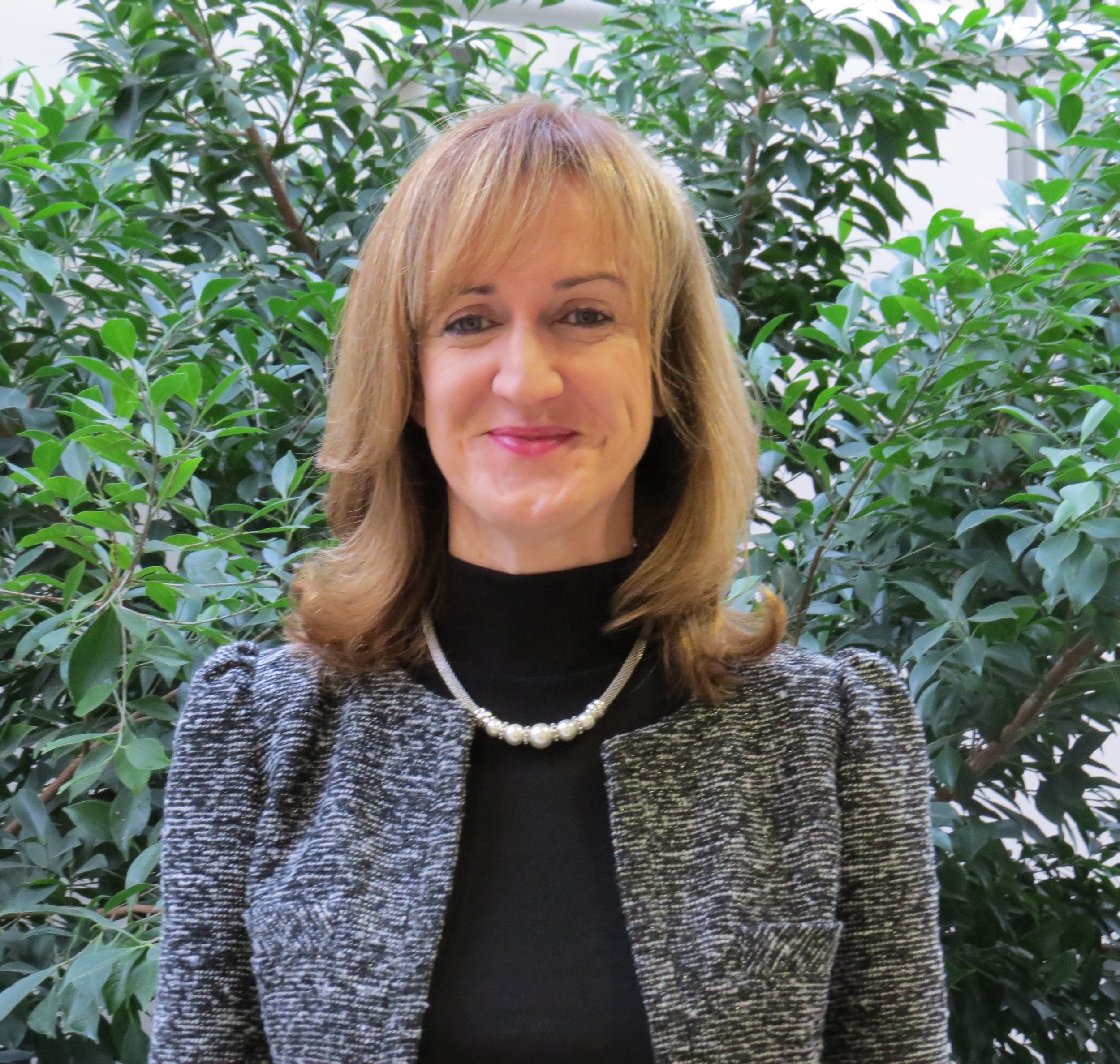
Professor Lorraine O’Driscoll BSc (Hons Pharmacol), MSc (Clinical Pharmacol), MA (Ed), PhD (Biotech), FTCD, FRSB, MRIA, is Full Professor/Chair of Pharmacology and Biomedicine, School of Pharmacy and Pharmaceutical Sciences and Trinity Biomedical Sciences Institute, Trinity College Dublin; Research Director of OECI-designated Trinity St James’s Cancer Institute (TSJCI); and Vice President of the Royal Irish Academy (RIA).
Following her PhD, Lorraine undertook biotechnology /biomedical research for US and EU industry (including Berlex; Archport Ltd-Axonobel; MediSyn Ltd; MedaNova Ltd.) before returning to academic research and teaching. At post-doctoral level, she gained experience at the Dana-Farber Harvard Cancer Institute and University of Miami.
For the past 15 years her research team has had a substantial interest in extracellular vesicles (EVs), with multiple EVs studies both in health and disease conditions - including cancer, regenerative medicine, rheumatoid arthritis, infant nutrition, exercise, and drug delivery.
Lorraine served two terms on the Board of Directors of the International Society for Extracellular Vesicles (ISEV) and was invited to join the Board of Directors again in 2024. She Chaired ISEV’s International Annual Conferences in 2021 and 2022; is an invited member of 5 of ISEV’s Task Forces; and invited member of the International Organising Committee of 4 of its International Workshops. Herself and a colleague from the NIH and from the University of Oxford co-lead the recently published MISEV2023 Guidelines for studies of EVs. Lorraine is an Invited Expert for EU (EMA) and UK Regulatory Authorities on the use of EVs as therapeutics. She is also an Invited Member of the Board of Directors of the American Society for Extracellular Vesicles (ASEV).
Lorraine was Founding Director of the H2020-funded Consortium Microvesicles and Exosomes in Health and Disease (ME-HaD), bringing together 360 researchers from industry, academia, and clinics in 31 countries. She is PI/Director of a €3.9M H2020-MSCA-ITN TRAIN-EV, training 15 PhDs and including 5 academic and 7 industry partners and she is one of 12 recipients, across all disciplines, of a €1M Irish Research Council Advanced Laureate Award, the only female recipient in STEM. Lorraine is Founding Lead PI of the €4M All-Ireland Cancer Liquid Biopsies Consortium CLuB. She is a Co-Lead of the virtual All-Island Cancer Research Institute (AICRI), along with colleagues from UCD and QUB and is the TCD PI/Partner on the €4M AICRIStart, led by UCD. Lorraine has supervised 36 PhD students to completion. Aided by patient representatives, her team’s research has resulted in 5 clinical trials, patents, and publications including New Engl. J. Medicine, Cancer Research, Molecular Cancer, JEV, Nature Methods.
Local Team Members: Dr Szilárd-Krisztián Belényesi, Dr Fabricio Noel Ledezma Gallegos, Ms Sarai Martínez Pacheco, PhD student, Ms Jessie Santoro, PhD student, Ms Roisin Daly, PhD student, Ms Rawan Almasri, Ms Charlotte Oliver and Mr Ian Darragh
Close Collaborators: Prof. David Hoey, TCD, Prof. Richie Porter, TCD, Prof. John Crown, St Vincent’s University Hospital, Prof. William Gallagher, University College Dublin, Prof. Bernd Giebel, University Hospital Essen, Germany
Main Funders: EU Commission; Higher Education Authority; Health Research Board; Department of Agriculture, Food and Marine; Irish Cancer Society, Science Foundation Ireland; Breast Cancer Now; and industry.

-
Professor Mullan has been a group leader in QUB since 2004, firstly in the Department of Oncology, then the CCRCB, and now in the Patrick G Johnston Centre for Cancer Research (PGJCCR).
His group has a long-standing record of working on treatment and diagnoses of breast and ovarian cancers, and have published consistently in high impact scientific journals.
Working on transcriptional control mechanisms in breast cancer, his team showed how aggressive breast cancer biology is suppressed in normal breast tissue, including through the functions of the familial Breast Cancer gene, BRCA1. His group also identified key breast cancer oncogenes, including those involved in chemotherapy responses, such as the oncogenic transcription factor, TBX2.
Since 2013 Professor Mullan has had a keen interest in cancer diagnosis and in particular, the areas of liquid biopsies and DNA methylation (DNAme). He has identified numerous DNAme markers which are hypermethylated in ovarian cancer (including ovarian cancer in its earliest stages), therefore providing a potential basis for the development of an early warning diagnostic blood test. Professor Mullan’s group is now investigating how DNAme-based diagnostic blood tests can be developed for ovarian, and other difficult to diagnose cancers (triple-negative breast, lung, pancreatic).
Local Team Members: Dr Alex McIntyre and Mr Micheal Ryan, Queens University Belfast
Close Collaborators: Dr Niamh Buckley and Ms Syeed Pharmacy, Queen’s University Belfast
Main Funders: Higher Education Authority North South Research Programme, Breast Cancer Ireland, Breast Cancer Now, Cancer Research UK and The Medical Research Council
Co-Investigators

-
Professor John O’Leary is a Clinician-Scientist (Pathologist and Molecular Biologist). He holds the degrees/diplomas: MD, DSc, PhD, MSc, MA (j.o.), FRCPath, FFPathRCPI, FRCPI, FTCD. He is an Elected Member of the Association of Molecular Pathologists (AMP), USA, and is an Elected Member of the Sigma Xi, The Scientific Research Honor Society (ΣΞ).
He has in excess of 750 publications, with peer reviewed papers in top journals including: Nature, Nature Medicine, Nature Immunology, Nature Protocols, Nature Communications, PNAS, The Lancet, BMJ, Cancer Research. He has graduated 50 PhD, 11 MD and 11 MSc students. He has raised in excess of 250 million in grant-associated income.
Local Team Members: Dr Sharon O’Toole, Ms Etain O’Rourke, Dr Mark Ward, Dr Tanya Kelly, Dr Brian Henderson, Ms Faye Lewis and Ms Sinead Hurley at Trinity College Dublin.

-
Twitter | Orcid iD | Google Scholar | Email
Professor Niamh Buckley graduated from Trinity College, Dublin in 2002 with a First Class Honours Degree in Biochemistry. She then carried out her PhD training in the Department of Oncology, Queen’s University Belfast under the supervision of Prof. Paul Harkin.
Following this, she then worked as a post-doctoral researcher with Dr Paul Mullan in the Centre for Cancer Research and Cell Biology (QUB). During this time, she investigated the role of the breast and ovarian tumour suppressor gene, BRCA1, in stem cell regulation and mammary gland differentiation.
Dr Buckley was awarded the prestigious Breast Cancer Now fellowship in 2013 to develop novel biomarkers and therapeutic strategies in BRCA1-mutant and/or triple negative breast cancer. In 2016 she was appointed as a Lecturer in Personalised Medicine and Pharmacogenomics in the School of Pharmacy (QUB). She was then promoted to Senior Lecturer in 2020 and Reader in 2022. She is an active member of the Nanomedicine and Biotherapeutics Cluster and is also an associate member of the Patrick G Johnson Centre for Cancer Research (PGJCCR) at QUB.
Her research focuses on the integration of in vitro, in vivo, bioinformatics and pathology approaches to identify key pathways underpinning poor outcome breast cancer and uses detailed knowledge of this biology to identify appropriate targeted treatment options, personalising therapy in an area of unmet clinical need.
Dr Buckley has secured ~£8 million in competitive grant income from national and international funding boards with >£2 million directly attributed and has published over 35 articles in leading Q1 journals with ~1500 citations. Her knowledge and expertise have been recognised by invitations to speak at national and international conferences and membership of the Breast Cancer Now Grant Review Committee and Tissue Access Committee.
Local Team Members: Dr Syed Umbreen, Queen’s University Belfast.
Close Collaborators: Prof. Paul Mullan and Dr Alex McIntyre at Queen’s University Belfast
Main Funders: HEA North South Research Programme, Breast Cancer Now, Innovate UK

-
Dr Sharon O’Toole is a Senior Research Fellow in Trinity College Dublin working in the area of gynaecological cancer. Her research interests centre around diagnostic and prognostic biomarkers and understanding the fundamental biology of the metastatic cascade and circulating tumour cells.
She sits on the board of the Irish Society for Gynaecological Oncology and co-founded a public and patient involvement group (ISGOPPI) within the society.
She is the translational co-chair of the gynaecological disease specific subgroup in Cancer Trials Ireland.
She works closely with the ovarian cancer charities in Ireland whose mission is to improve outcomes for ovarian cancer in Ireland. She sits on the Board of OvaCare, an ovarian cancer support charity as the current chair. She was part of the organising committee of the first World Ovarian Cancer Day on 8 May 2013 and this has now become an annual event.
She coordinates the Irish Network for Gynaecological Oncology which comprises over 30 of Ireland’s foremost gynaecological cancer campaigners, researchers and patient advocates who take part in awareness events around gynaecological cancer.
Local Team Members: Prof. John O’Leary, Dr Mark Ward, Dr Tanya Kelly, Dr Brian Henderson, Ms Faye Lewis, Ms Etain O’Rourke and Ms Sinead Hurley, Trinity College Dublin.
Close Collaborators: Researchers in Ireland working in the ovarian cancer space that we collaborate with are listed on the Irish Society for Gynaecological Oncology Research tab .
Workpackage leader in COST action on rare gynaecological cancers. GYNOCARE COST Action; “European Network for Gynaecological Rare Cancer research: From Concept to Cure” Over 30 countries are participating in the COST Action.
Main Funders: HEA North South Research Programme, Enterprise Ireland, Royal City of Dublin Hospital Trust and Irish Cancer Society

-
Twitter | Orcid iD | Google Scholar | Email
Dr Kathy Gately is a PI in the Department of Clinical Medicine, at Trinity College Dublin (TCD) and a Clinical Scientist at St James’s Hospital Dublin (SJH) (h-index 29). With >20 years experience in molecular diagnostics, biobanking and clinical research, she leads a trans-disciplinary team of postdoctoral scientists, research nurse/assistants, PhD, MSc and MD students. Her translational research program focuses on tracking minimal residual disease (MRD) in early-stage lung cancer and elucidating drug resistance mechanisms to targeted cancer treatments. Her group utilises patient-derived 3D models and liquid biopsies for biomarker discovery and drug screening. She lectures both undergraduate and postgraduate students on Modules in Molecular Medicine and Translational Oncology at TCD. She leads several industry collaborations and is senior scientist at Inflection Biosciences Ltd advising on their oncology drug pipeline program. She established and co-manages the St James’s Hospital lung biobank and co-founded the Target Lung Cancer initiative at SJH to raise public awareness of lung cancer. She also developed the first EGFR mutation screening program for NSCLC at SJH. She is an expert member of the HSE midlands area and corporate division research ethics committee (RREC). She sits on journal editorial boards and reviews grants for multiple funding agencies.
Local Team Members: Ms Sinead Hurley, Dr Christina Cahill and Ms Volga Saini at Trinity College Dublin
Close Collaborators: Dr Pӓivi Koskinen (University of Turku), Dr Susan Heavey (UCL), Inflection Biosciences Ltd (IBL), AUM Biosciences, Legend Biotech and RemedyBio
Main Funders: Higher Education Authority, Enterprise Ireland, H2020, St James’s Hospital Foundation and Industry Collaborations

-
Dr Ó Broin is an Assistant Professor in Bioinformatics in the School of Mathematical & Statistical Sciences at University of Galway, where he directs the MSc Programmes in Biomedical Genomics and Genomics Data Science.
He is a PI in the Sonraí Health Data Science Research Cluster, where his group is engaged in highly innovative and impactful research in precision medicine, with a particular interest in cancer genomics. This work is primarily focused on the development and application of statistical and machine learning approaches for the integration of genetic and clinical data, in order to identify biomarkers for the prediction of disease progression, treatment response, and relapse risk.
In addition to his involvement in CLuB, he is a Research Theme Lead in the €13.6M SFI Centre for Research Training (CRT) in Genomics Data Science and also leads UoG’s involvement in a €10.5M DTIF-funded project on cancer immunotherapies.
Local Team Members: Dr Stephen Smith at University of Galway
Main Funders: Science Foundation Ireland, Irish Research Council, European Union, Health Research Board, Department of Enterprise, Trade and Employment

-
Dr James P. Beirne is one of the few surgical oncologists in the UK and Ireland who is dual-clinical fellowship trained and dual-clinical academic trained. He completed general training in Obstetrics and Gynaecology in Northern Ireland. He also completed a Northern Ireland Public Health Agency funded PhD Clinical Research Fellowship investigating the underlying molecular biology of high grade serous tubo-ovarian carcinoma. Following this, Dr Beirne embarked upon a combined Clinical Academic Training Lectureship and RCOG-approved Sub-Specialty Training in Gynaecological Oncology at Queen’s University Belfast (QUB), and the Northern Ireland Gynaecological Cancer Centre. He subsequently completed an Advanced Training Fellowship in Gynaecological Surgical Oncology at the Queensland Centre for Gynaecological Cancer in Brisbane, Australia.
Dr Beirne played an integral role in the development of a bespoke research programme at QUB, focused on the identification and validation of biomarkers for ovarian cancer. He continues an active role in translational research at both QUB and TCD. Dr Beirne has ongoing academic interests in surgical clinical trials and translational research. His current focus is on the development of DNA methylation liquid biopsies using digital PCR technologies. He is co-founder, and Chief Medical Officer, of GenoME Diagnostics Ltd a spin-off biotech firm developing blood tests for several cancers.
Local Team Members: Prof. John O’Leary, Dr Sharon O’Toole, Dr Mark Ward, Dr Tanya Kelly, Dr Brian Henderson, Ms Faye Lewis, Ms Etain O’Rourke and Ms Sinead Hurley at Trinity College Dublin. Dr Pilib Ó Broin and Dr Seyed Aghil Hooshmand at University of Galway.
Post-Doctoral Researchers
-

Dr Alex McIntyre, Post-Doctoral Researcher, Queen’s University Belfast
Dr Alex McIntyre previously undertook a PhD project within the Patrick G Johnston Centre for Cancer Research (PGJCCR) from 2013-2017 investigating p53 cell fate signalling in colorectal cancer, the results of which were later published in a high-impact journal (Lees McIntyre et al. PNAS 2020).
Since 2017 he has been conducting Postdoctoral research within Prof. Paul Mullan’s Molecular Signalling Group in PGJCCR, investigating oncogene TBX2 cooperation with KAP1 (Crawford McIntyre et al. Oncogene 2019) and later the mechanisms of TBX2 gene repression via the CoREST complex (McIntyre et al. NAR 2022) in breast cancer.
He has longstanding experience in cellular signalling, epigenetics and transcriptional control in the contexts of both WTp53 colorectal cancer and luminal breast cancer, developed over the previous 10 years through projects within PGJCCR.
He is currently investigating how diagnostic blood tests can be developed for ovarian and other difficult to diagnose cancers (triple-negative breast, lung, pancreatic) on the basis of DNA methylation. This work extends to investigation of the functional biology of the key methylated tumour suppressor genes identified as biomarkers for diagnostic blood tests in ovarian cancer models.
Local Team Members: Prof. Paul Mullan and Mr Michéal Ryan
Main Funders: HEA North South Research Programme
-

Dr Brian Henderson, Post-Doctoral Researcher, Trinity College Dublin
Dr Brian Henderson holds a BSc in Biotechnology (DCU), an MSc in Biomedical Diagnostics (DCU), and a PhD in Biochemistry (TUDublin). He completed Enterprise Ireland’s New Frontiers Phase 2 programme for developing entrepreneurs (2017), was a national finalist of Irelands Best Young Entrepreneur (2016) and named Hothouse Inventor of the year (2017). In 2020, he was a principal investigator on a SFI Rapid Response grant to create Point-of-Care diagnostic test for Covid-19.
In 2022 he took a position as a post-doctoral scientist in the Thoracic Oncology Research Group (TORG), Trinity Translational Medicine Institute (TTMI), under an Enterprise Ireland - Innovation Partnership Programme partially funded by Remedy Biologics. During this time his research focused on immunologically “cold” tumors in Lung Cancer and their response to immunotherapies and targeted therapies.
He is currently a Research Fellow in the department of Histopathology & Morbid Anatomy, TCD, working with Dr Sharon O'Toole and Prof. John O'Leary. His current research focuses on the area of "Liquid Biopsy" and the isolation and molecular characterisation of rare circulating tumour cells (CTCs) from ovarian and lung cancer patients.
Local Team Members: Dr Sharon O'Toole, Dr Mark Ward, Dr Tanya Kelly, Faye Lewis and Prof. John O'Leary
Main Funders: HEA North South Research Programme
-

Dr Syed Umbreen, Post-Doctoral Researcher, Queen’s University Belfast
Twitter | Google Scholar | Email
Dr Syed Umbreen is a Kashmir-born researcher with a background in Biochemistry, Biotechnology and NGS technologies. She completed her undergraduate degree in biochemistry from University of Kashmir before pursuing her master’s degree in biotechnology at Jamia Hamdard in New Delhi in 2016. During her master's program, she developed a keen interest in cancer research and further pursued her education in this field.
In pursuit of this, she was awarded the SURE fellowship at the University of Minnesota, where she worked in a prostate cancer lab at the Hormel Institute. In September 2017, she moved to the UK to pursue her PhD with Prof. Ian Mills at the Queen's University Belfast. Her PhD was funded by ITN European Union Horizon 2020 under TransPot Consortium. During her time at QUB, she gained valuable experience in cancer research particularly in NGS technologies.
Following the completion of her PhD, she joined QUB as a postdoctoral researcher with Dr Niamh Buckley under All Ireland CLuB Consortium. Here she is working on developing living biobank using organoids for various cancer types, a project that aligns with her research interests.
Throughout her academic journey, her goal has been to become a professor., and practice research alongside teaching. She is excited about what the future holds and looks forward to making a significant contribution to the field of cancer research.
Local Team Members: Dr Niamh Buckley, Pharmacy, Queens University Belfast
Main Funders: HEA North South Research Programme
Collaborators: Prof. Ian Mills (Oxford University), Dr. Simon McDade(QUB), Prof. Paul Mullan (QUB), Prof. Helen McCarthy (Phion therapeutics), Prof. Michael Tunney (QUB) and Northern Ireland Biobank
-

Dr Seán Patmore, Post-Doctoral Researcher, Trinity College Dublin
Email
Dr Seán Patmore graduated from Trinity College in 2017 with a BA (Mod) in Immunology. Following his passion to study pathological conditions he started a research position in the Royal College of Surgeons in Ireland assessing blood protein von Willebrand factor (vWF) in clinical samples from patients with von Willebrand disease.In 2018 he undertook his PhD in vascular biology and cancer, where he characterised the role of vWF in breast cancer metastasis determining the ability of VWF to induce angiogenesis, migration, invasion and vasculogenic mimicry as well as measuring plasma levels in patients with breast cancer.
Through his multidisciplinary background Sean has developed an interest in the cross-talk between cancers and the blood as cancer cells undergo haematogenous spread. With a particular interest in how tumours interact with blood proteins during metastasis. In his current role his research will assess tumour-derived extracellular vesicles (EVs) and their cargo from liquid biopsies. This research hopes to identify novel markers in EVs that could be used in the detection of cancer.
Local Team Members: Prof. Lorraine O’Driscoll and Dr Szilárd-Krisztián Belényesi, Trinity College DublinMain Funders: HEA North South Research Programme
-

Dr Christina Cahill, Post-Doctoral Researcher, Trinity College Dublin
Dr Christina Cahill is a postdoctoral researcher in Trinity Translational Medicine Institute (TTMI), Trinity College Dublin (TCD). Christina holds a BA (Mod) in Molecular Medicine (TCD) and she completed her PhD in the Department of Surgery in TTMI (TCD) where she investigated the role of miRNAs in resistance to cytotoxic treatment in oesophageal and gastric cancer.
During her doctoral studies, she gained extensive experience in resistance models, including a secondment to Linköping University and BioReperia, Sweden as part of a Marie Skłodowska-Curie fellowship funded by EU Horizon 2020, where she worked on zebrafish xenograft models of treatment resistance. Christina has also actively participated in various PPI (public patient involvement), outreach, and teaching initiatives, including annual participation in the TTMI Transition Year Programme since 2019.
In 2024, she began a postdoctoral position in Dr Kathy Gately’s team in the Thoracic Oncology Research Group in TTMI funded by Legend Biotech, where she worked on developing and characterising patient-derived organoids of lung, gastric, and colorectal cancer. Her current postdoctoral research position in Dr Gately's group focuses on isolating and characterising circulating tumour cells (CTCs) and circulating tumour DNA (ctDNA) from perioperative blood samples with the aim of improving the understanding and utilisation of the liquid biopsy to improve the treatment and prognosis of patients with resectable lung cancer.
Local Team Members: Dr Kathy Gately, Mrs Sinead Hurley, Ms Hannah O’Toole, and Ms Volga M Saini
Main Funders: HEA North South Research Programme
-
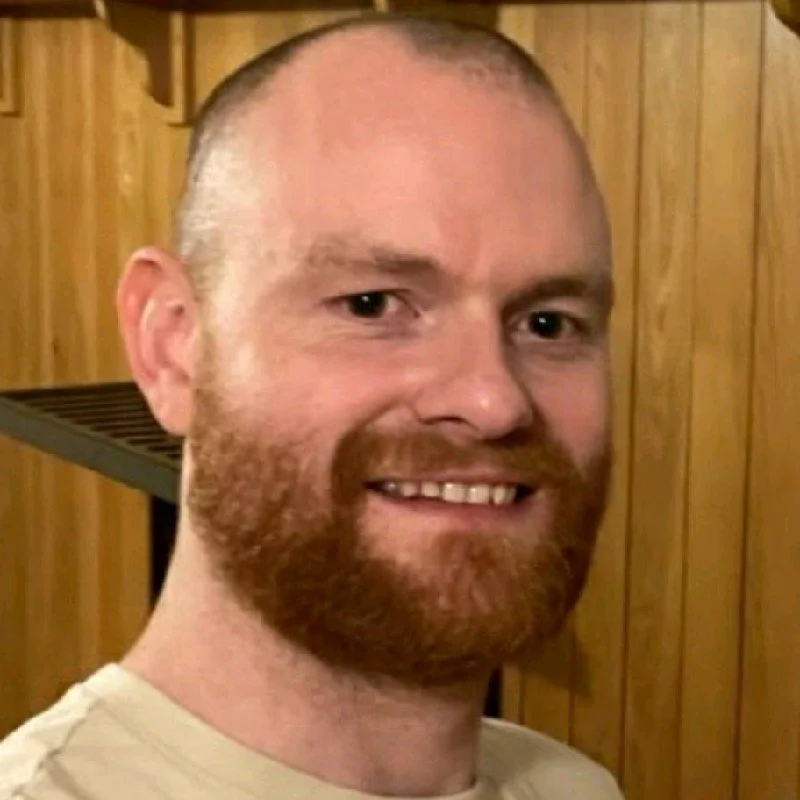
Dr Stephen Smith, Post-Doctoral Researcher, University of Galway
Dr Stephen Smith is a postdoctoral researcher in Dr Pilib Ó Broin’s lab at the University of Galway. He holds a BSc in Biochemistry, an MSc in Biomedical Genomics, and a PhD in Genomics Data Science, all completed at the University of Galway. His academic background includes molecular biology, computational genomics, and large-scale data analysis, with a particular interest in developing scalable and reproducible bioinformatics workflows.
Stephen’s master’s research involved differential gene expression analysis, which sparked his early interest in computational biology, and introduced him to the challenges and opportunities of analysing large-scale sequencing data.
His doctoral research focused on population genomics, where he applied a range of analytical approaches including population network construction, hybridisation detection, and admixture analysis to a large genomic dataset. Through this work, he investigated the evolutionary relationships and genetic structure within populations. His PhD also involved elements of microbiome research using the same dataset, further expanding his experience with multi-omics datasets and complex biological systems. This allowed him to explore ways to maximise the value of genomic data, reusing and integrating it wherever possible.
Following the completion of his PhD, Stephen undertook a postdoctoral position centred on the development of cloud-based infrastructure for bioinformatics pipelines. In this role, he designed scalable, reproducible, and containerised workflows for high-throughput sequencing data, using modern cloud environments to support efficient and flexible computational biology research.
Stephen’s current research in the Ó Broin lab continues to build on this, focusing on making bioinformatics research accessible and useable by clinicians.
Local Team Member: Dr Pilib Ó Broin, Dr Jacopo Umberto Verga
Main funders: HEA North South Research Programme
-
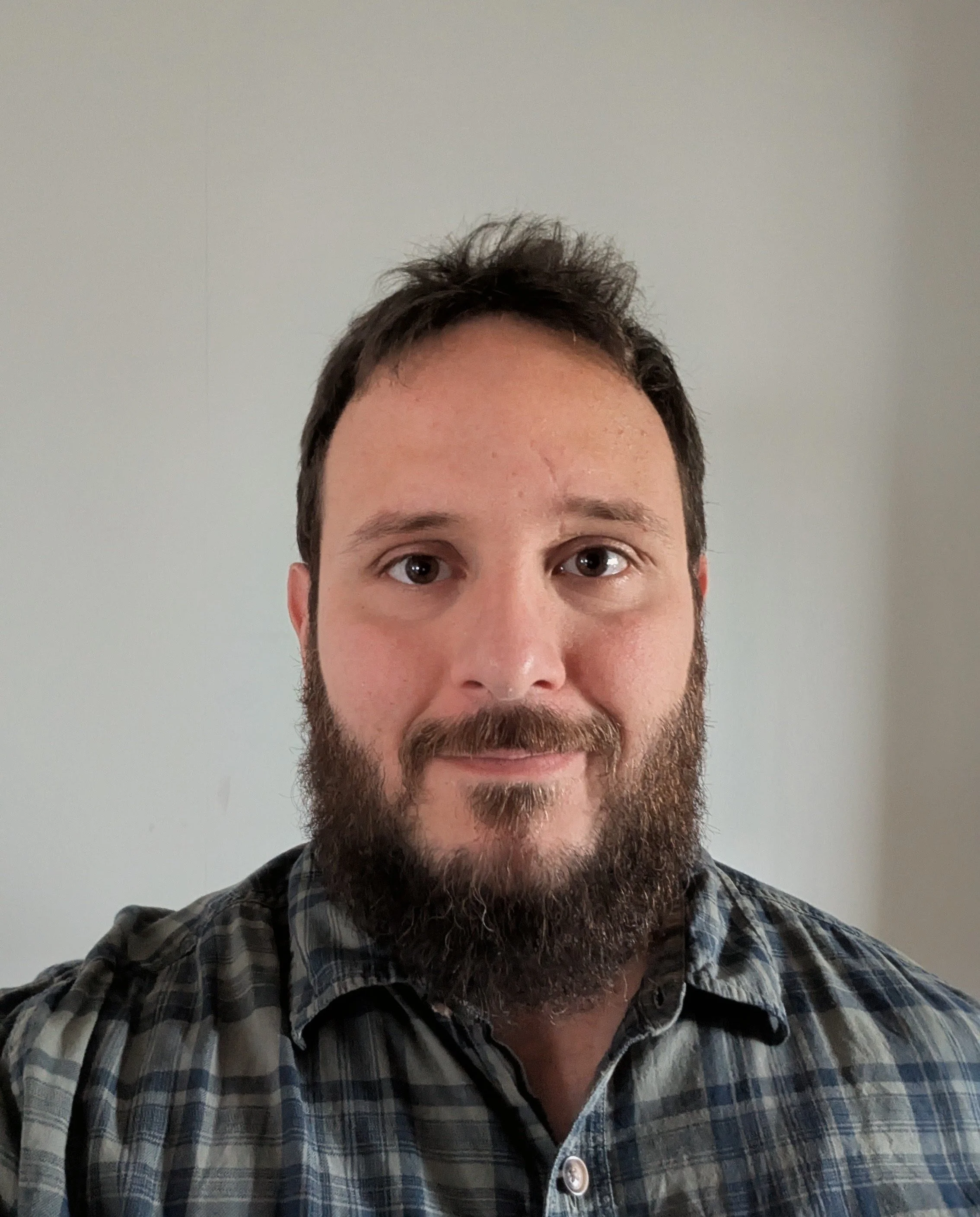
Dr Jacopo Umberto Verga, Post-Doctoral Researcher, University of Galway
Dr Jacopo Umberto Verga is a postdoctoral researcher in Dr Pilib Ó Broin's lab at the University of Galway. He holds a BSc in Biological Sciences and an MSc in Molecular and Applied Biology from Marche Polytechnic University, Italy, before completing a PhD in Genomics Data Science at the University of Galway. His research combines computational biology, artificial intelligence, and software engineering to develop scalable methods for analysing complex biomedical datasets.
Jacopo's early research focused on clinical immunology, where he analysed clinical and genetic datasets to investigate disease mechanisms and support translational research. During this period, he developed an interest in computational approaches for extracting biological insights from increasingly complex genomic data, motivating his transition towards bioinformatics and data science.
His doctoral research centred on computational genomics and single-cell biology, with a particular focus on developing reproducible bioinformatics workflows for analysing high-dimensional multi-omics datasets. His work combined network biology, optimisation algorithms, and machine learning to identify mechanisms underlying immune cell dysfunction and therapeutic resistance in cancer. Throughout his PhD, he developed cloud-enabled, containerised analysis pipelines using modern workflow technologies to improve the reproducibility and scalability of genomic research.
Alongside his doctoral studies, Jacopo was a visiting researcher at the Broad Institute of MIT and Harvard and Dana-Farber Cancer Institute, where he collaborated with clinicians and computational scientists on translational oncology projects. His research involved large-scale analyses of single-cell and spatial transcriptomics datasets, the development of statistical and machine learning models for patient stratification, and GPU-accelerated image analysis pipelines.
Jacopo's current research in the Ó Broin lab focuses on integrating artificial intelligence with computational biology to support biomedical research and precision medicine. His work spans bioinformatics workflow development, cloud computing, multi-omics data integration, and agentic AI systems that automate data analysis and knowledge extraction from biomedical literature. He is particularly interested in developing accessible, reproducible computational tools that enable researchers and clinicians to make effective use of increasingly complex biological datasets.
Local Team Members: Dr Pilib Ó Broin, Dr Stephen Smith
Main funders: HEA North South Research Programme
PhD Candidates
-

Ms Faye Lewis PhD Candidate, Trinity College Dublin
Faye is a PhD student at Trinity College Dublin based in the Trinity Centre for Health Sciences at St James’s Hospital, Dublin. She graduated with a Bachelor’s degree in Physiology in 2021 and a Master’s degree in Immunology in 2022 from Trinity College Dublin.
Throughout her academic journey, she has gained a comprehensive understanding of the mechanisms of cancer and the immune system’s role in cancer development and treatment.
Faye is particularly interested in exploring new ways to harness the power of liquid biopsies in gynaecological malignancies. Currently, she is investigating the prognostic utility of circulating tumour cells in patients with ovarian cancer.
Local Team Members: Prof. John O’Leary, Dr Sharon O’Toole, Dr Mark Ward, Ms Sinéad Hurley, Dr Brian Henderson and Dr Tanya Kelly at Trinity College Dublin
Main Funders: HEA North South Research Programme
-

Ms Volga M Saini PhD Candidate, Trinity College Dublin
Volga graduated with a BSc in Human Health and Disease from Trinity College Dublin in 2021 and went on to complete a MSc by research from University of Galway in 2022. Her masters project was based on investigating the potential of circulating microRNAs as biomarkers for Type 2 Diabetes and cardiovascular disease.
Volga’s main research interests include understanding the mechanisms of cancer growth and treatment resistance and identifying biomarkers that would enable early detection and better monitoring of cancer progression. The ‘liquid biopsy’ is an attractive and emerging research area as it is less invasive and would provide more detailed information of a patient’s tumour, hopefully enabling treatment which is more ‘patient-specific’.
This research is of key importance in lung cancer which is associated with a high mortality rate and late-stage diagnosis. Volga’s PhD work focuses on two components of the liquid biopsy: circulating tumour cells (CTCs) and circulating tumour DNA (ctDNA). Since both her parents were cancer patients, she is very passionate about research which can improve the prognosis and quality of life of patients.
Local Team Members: Dr Kathy Gately, Dr Ezgi Oner and Ms Sinead Hurley at Trinity College Dublin
Main Funders: HEA North South Research Programme
-

Mr Michéal Ryan PhD Candidate, Queen’s University Belfast
Michéal graduated from Ulster University in May 2021 with a BSc Biomedical Science with a dissertation on “The effect of riboflavin supplementation on DNA methylation in the MTHFR genotype”. Following this he was employed by Ulster University in C-TRIC as a research assistant on the LAMP assay project where COVID-19 assay validation and testing was carried out for asymptomatic Western Health & Social Care Trust staff during the recent pandemic. Upon completion of the LAMP project, he participated in a pharmacogenomics research project where drug gene testing was carried out testing for different single nucleotide polymorphisms in the CYP2C9 and CYP2C19 genes by LAMP.
Michéal’s main interests include molecular biology, cancer research and epigenetics specifically methylation which led to his application for a PhD in the PGJCCR. He is now part of the molecular signalling group under a HEA special studentship which is titled “The development of liquid biopsy tests for the early detection and improved diagnosis of poor outcome cancers”. It has been shown that substantial information originating from tumours enter the bloodstream and so liquid biopsies have potential to serve as non-invasive alternatives to surgical biopsies. These entities include circulating tumour cells, circulating tumour DNA (ctDNA) and extracellular vesicle containing cancer contents. In this project the group will identify DNA methylation (DNAme) events in tumours that could potentially serve as markers for the improved diagnosis of difficult to diagnose cancers.
Local Team Members: Prof. Paul Mullan and Dr Alex McIntyre at Queens University Belfast
Close collaborators: Dr Niamh Buckley, Queen’s University Belfast
Main Funders: HEA North South Research Programme
-

Dr Szilárd-Krisztián Belényesi PhD Candidate, Trinity College Dublin
Krisztián graduated with an MD from the University of Medicine, Pharmacy, Sciences and Technology of Targu Mures, Romania, in 2022. During his 4th and 5th years of university, he studied at the University of Bari, Italy with an Erasmus+ grant. While there, he also worked as an intern in a medical oncology research lab focusing on CAR T cell therapy. His bachelor’s thesis was focused on CAR T cell therapy in the treatment of neuroendocrine tumours.
Krisztián is interested in pursuing a career in translational oncology, where his research can be applied to help his patients. He is most interested in immuno-oncology, early diagnosis, and treatment.
Krisztián’s PhD work is focused on tumour-derived extracellular vesicles (EVs) in the context of liquid biopsies. Liquid biopsy is an area of interest because it can provide a means of early diagnosis, as well as important information about the tumour in order to choose the best therapy for each patient.
Local Team Members: Prof. Lorraine O’Driscoll, Trinity College Dublin
Main Funders: HEA North South Research Programme
Research Nurse

Ms Sinead Hurley, Research Nurse, Trinity College Dublin
Ms Sinéad Hurley has over two decades of clinical experience in cancer nursing. She qualified as a RGN from the University School of Nursing, Bonn, Germany in 1996. Following this she spent nine years working on the Inpatient Haematology-Oncology Unit, caring for patients receiving high dose chemotherapy, Radiation therapy and Stem Cell Transplants.
In 1999 she returned to Ireland to work as a Nurse Manager on a Day Chemotherapy Unit, she also has a diploma in Nursing Management of Patients requiring cytotoxic chemotherapy from Buckinghamshire Chilterns University College.
She is passionate about following patients on their journey through cancer treatment and helping them to achieve quality of life during this time. She was awarded a certificate on the psychological impact of chronic illness from University College Dublin in 2020.
Her vision is that innovative approaches from cancer research should be brought into clinical application in order to ultimately improve the holistic treatment of cancer patient. She is currently working as the research nurse for the All Ireland Cancer Liquid Biopsies Consortium in the Trinity Translational Medicine Institute.
Local Team Members: Dr Kathy Gately, Dr. Sharon O’Toole, Dr Tanya E. Kelly, Dr Brian Henderson, Dr Ezgi Oner, Ms Faye Lewis, Ms Volga M Saini and Mr Mark Ward.
Senior Biobank Technician

Mr Ryan Barr, Biobank Technician, Queen’s University Belfast
Ryan has over 20 years’ experience working within the Belfast Health and Social Care Trust (BHSCT). His journey began on 1 February 1999 when appointed as a Medical Laboratory Assistant for Histopathology. He spent 14 years working in various labs within the department including Electron Microscopy, Cytopathology and Neuropathology. While working in Pathology, Ryan was seconded to work in The Belfast Trust Mortuary where he was later appointed as an Assistant Technical Officer. He graduated from the University of Ulster Coleraine in July 2012 with a BSc in Biomedical Science and in May 2014 was appointed as a Critical Care Scientist, based in Theatres and ICU. In February 2017 Ryan took up post in the Northern Ireland Regional Virology Laboratory as a Biomedical Scientist where he became State registered and worked until March 2023 when he left to join the N.I Biobank. Ryan was part of the Chairman awards winning Virology team that won £10,000 for enhancing care through technology particularly during the Covid-19 Pandemic. He has experience in specimen transport to PHE Labs. He is currently working as a Senior Biobank Technician in the N.I Biobank, based in the Health Care Sciences building on the Belfast City Hospital Site.
Project Manager
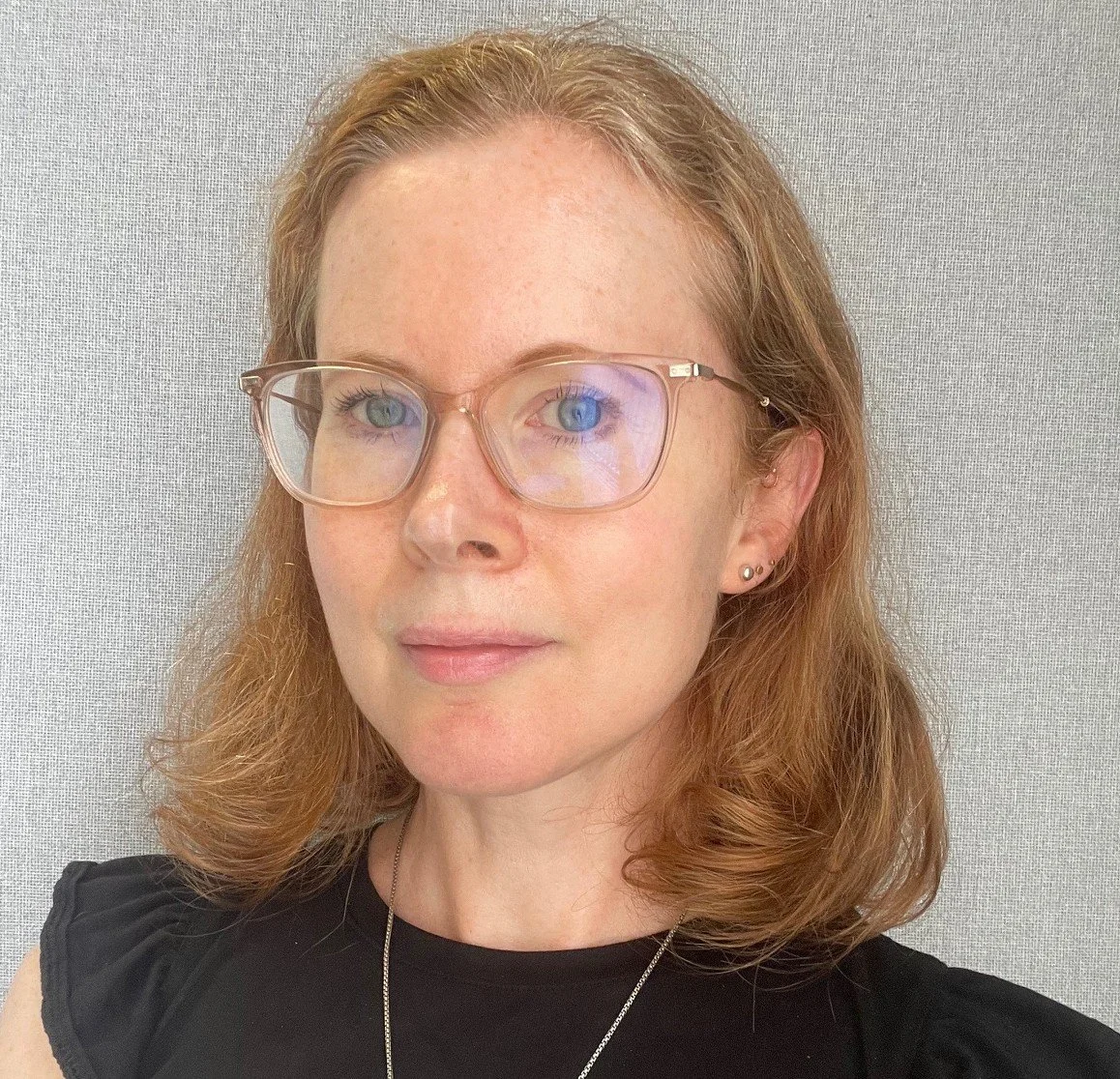
Ms Sarah Drumm, Project Manager, Trinity College Dublin
Sarah is an experienced coordinator with a background of working in the non-profit sector. She has worked with organisations including the Pulmonary Vascular Research Institute and the Institute of Food Science and Technology in the UK, and the Royal College of Surgeons in Ireland.
Sarah now manages and coordinates the day-to-day operational tasks of the All-Ireland Cancer Liquid Biopsies Consortium, including the overall collaboration and communication within the consortium, with TCD, QUB, and NUIG.
Associate Researchers

Dr Mark Ward, Post-Doctoral Researcher, Trinity College Dublin
Dr Mark Ward graduated from Trinity College Dublin (2012) with a BA (Mod) in Biochemistry. Following this, he completed a PhD in Molecular Pharmacology in Trinity College Dublin (2016) investigating the role of Protein Phosphatase 2A (PP2A) and its endogenous inhibitors in the regulation of matrix metalloproteinases in liver cancer.
His current research is in the areas of cancer metastasis, cancer associated thrombosis and the liquid biopsy, focusing on the isolation and molecular characterisation of rare circulating tumour cells (CTCs) in metastatic breast and ovarian cancer. His research aims to investigate the clinical utility of CTCs in the management of cancer as well using next generation sequencing technology and single cell imaging to identify the molecular mechanisms and potential vulnerabilities underpinning metastasis.
Local Team Members: Prof. John O’Leary, Dr Sharon O’Toole, Dr Tanya Kelly, Dr Brian Henderson, Ms Faye Lewis, Ms Sinead Hurley at Trinity College Dublin
Main Funders: Enterprise Ireland and Royal City of Dublin Hospital Trust Fund.
Collaborators: Dr Lucy Norris (TCD), Dr Cara Martin (TCD), Dr Melissa Conroy (TCD), Prof. Doug Brooks (UniSA) and Prof. Stavros Selemidis (RMIT University).

Dr Yashna Chabria, Post-Doctoral Researcher, Trinity College Dublin
Dr Yashna Chabria completed her BSc Zoology and Biotechnology in India. Following her interests she then pursued an MSc in Tissue Engineering and Regenerative Medicine.
In 2019, she started her PhD at the University of Galway focussing on understanding the role of Extracellular Vesicles (EVs) in breast cancer, particularly in metastasis and treatment response. The EVs packed in a hydrogel in a cancer-on-a-chip model facilitated their sustained release, potentially allowing for sustained therapy in patients with advanced disease.
In her current role her research as a Postdoctoral Fellow with Prof. Lorraine O’Driscoll she aims to assess the immunomodulatory influence of human and Bacterial EVs derived from gastric cancer patient plasma samples over the course of their treatment on T cell phenotype and function.
Local Team Members: Prof. Lorraine O’Driscoll, Dr Seán Patmore, Dr Szilárd-Krisztián Belényesi, Trinity College Dublin
Main Funders: HEA North South Research Programme, AICRIstart

Dr Ezgi Oner, Post-Doctoral Researcher, The Johns Hopkins University School of Medicine
Twitter | Google Scholar | Email
Dr Ezgi ONER is a Postdoctoral Research Fellow at The Johns Hopkins University School of Medicine. She earned her PhD in Pharmaceutical Biotechnology from Ege University and Marmara University in 2020. During her doctoral studies, she focused on developing lipid nanoparticles for delivering siRNA to tumor cells and evaluated their safety and efficacy in 2D and 3D prostate cancer models.
She completed the latter part of her thesis under the guidance of Prof. Stephen Finn at TTMI with a scholarship from TUBITAK. During her fellowship, she gained considerable experience in cancer stem cell research, particularly in drug-resistant prostate cancer cell lines, to explore novel tumor markers. In 2020, she started a postdoctoral position at Izmir Katip Celebi University, which involved both teaching and research.
She participated in a project to develop novel carriers for cyclic dinucleotides as immunotherapeutics to target the tumor microenvironment in vivo in glioblastoma models in 2021.
Building on these experiences, she joined Dr Kathy Gately's team at Thoracic Oncology Research Group in TTMI in 2022 as a postdoctoral research fellow to improve liquid biopsy applications in lung cancer. Additionally, she co-leads a project supported by the TTMI Collaborative Pilot Study Award to develop patient-derived organoids of lung cancer using bioprinting technology.
Local Team Members: Dr Kathy Gately, Mrs Sinead Hurley and Ms Volga M Saini
Main Funders: HEA North South Research Programme and TTMI Collaborative Pilot Study Awards
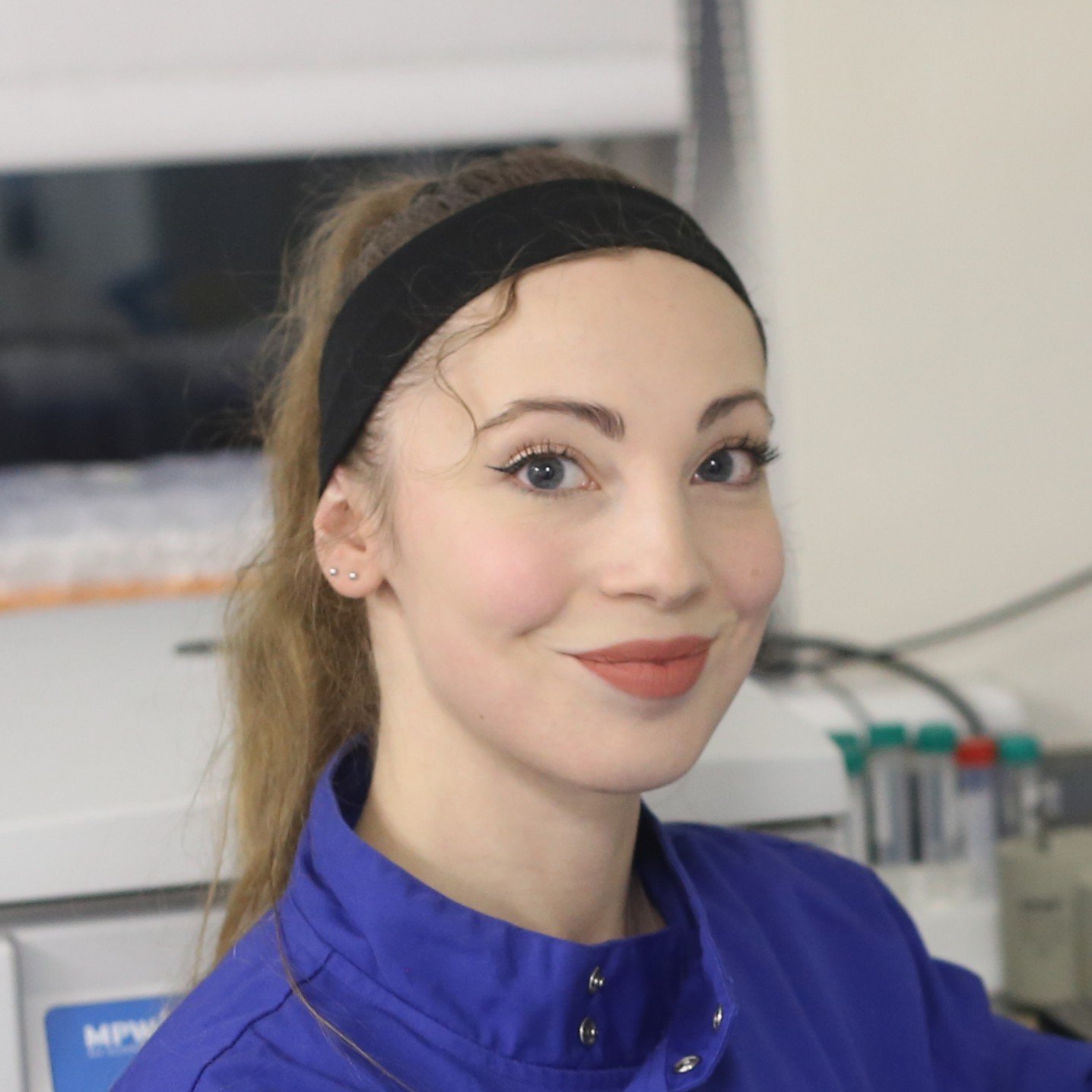
Marika Kanjuga, PhD Candidate, Trinity College Dublin
Marika graduated with a B.Sc. in Biological and Biomedical Sciences from NUIM in 2022 and a M.Sc. in Molecular Medicine from Trinity College Dublin in 2023. After completing her Master’s, she worked as a Research Assistant in Dr Sharon O’Toole’s lab - primarily investigating liquid biopsies (CTCs and ctDNA) in ovarian cancer. Her role involved patient recruitment, sample processing, and biobank management. She also explored markers such as HE4 in relation to cytoreductive surgery, as well as PAI1 and CTC platelet cloaking.
Her research interests lie in translational oncology, immunotherapy and cell therapies, drug resistance in cancer, as well as molecular therapeutics and diagnostics - reflected in her academic projects, including studying NK cell therapy properties (NK-92 immunometabolism) and using aptamers to detect KRAS inhibitors resistance markers in lung cancer.
Marika has been awarded the Attracta O’Regan Scholarship in partnership with Breakthrough Cancer Research, and is now pursuing a PhD in Trinity College Dublin (Trinity Translational Medicine Institute). Her research focuses on discovering novel biomarkers for the early detection of ovarian cancer using next-generation biopanning techniques (aptamers and phage display). Her aim is to identify unique peptide and protein signatures in serum that can form the basis of a simple and accurate blood test, improving early detection and patient outcomes.
Local Team Members: Dr Sharon O’Toole, Dr John O’Leary, Dr Brian Henderson, Dr Mark Ward, Ms Faye Lewis
Main Funders: Breakthrough Cancer Research
Collaborators: Prof. Paul Leonard (DCU)

Ms Etain O’Rourke, PhD Candidate, Trinity College Dublin
Ms Etain O'Rourke graduated from Maynooth University in 2016 with a BSc double honours in Chemistry and Biology. Following this, she completed an MSc in Biological and Biomolecular Science (with focus on the genetics stream) in UCD in 2019. Etain started a part-time PhD with TCD in 2023, which will involve the Molecular characterisation of circulating tumour cells (CTCs), and the use of machine learning to recognise these characteristics and identify CTCs.
Local Team Members: Prof. John O’Leary, Dr Cara Martin, Dr Sharon O’Toole, Dr Tanya Kelly, Dr Mark Ward and Ms Faye Lewis at Trinity College Dublin